


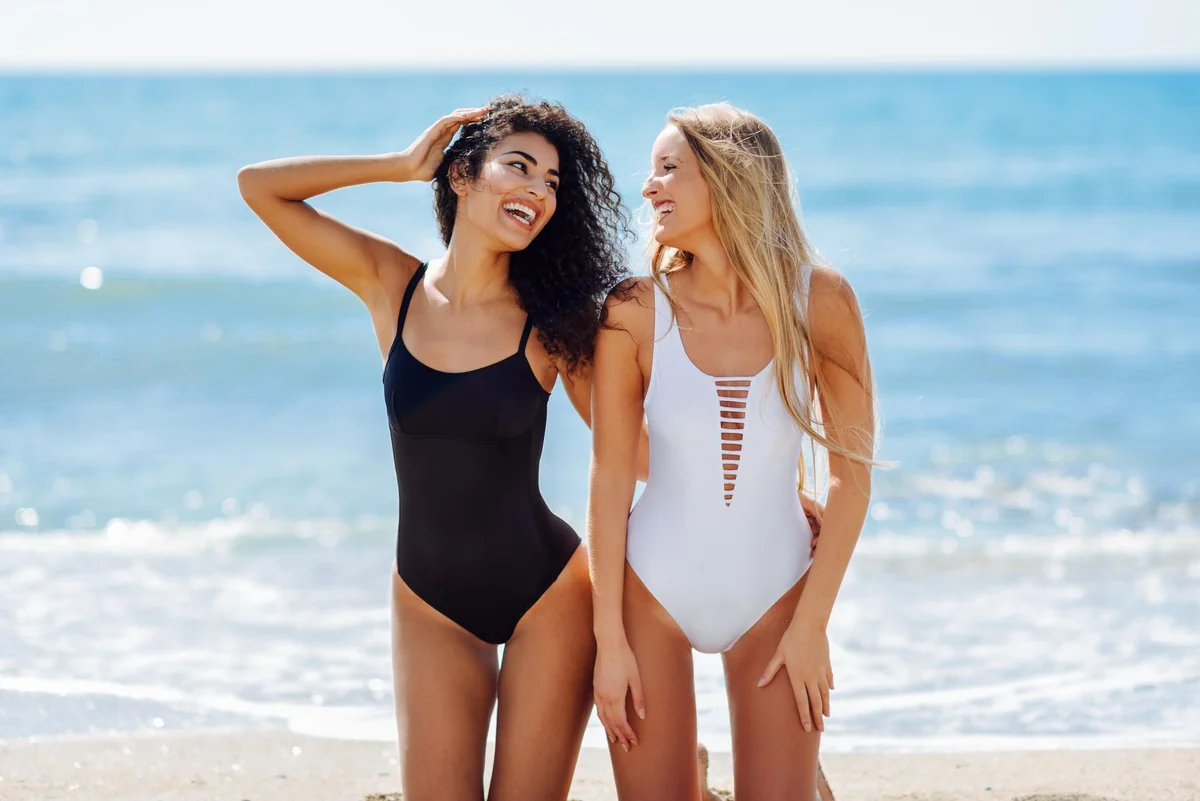


Attending the Global Sourcing Expo Australia in Melbourne is arguably the quickest way to find a sustainable swimwear factory face to face, compared to assessing a supplier based only on one image from a catalog. Organized at the Melbourne Convention and Exhibition Centre in 17-19 November 2026, this expo brings all the apparel suppliers under one roof and allows to evaluate recycled fabrics, seam work, certifications and production capacity in just one day. Attendance is free of charge, eliminating the expense that usually stands in the way of visiting a few factories on one trip. If you are a brand creating a sustainable swimwear collection, attending the expo will not provide immediate order opportunities; it will help you find a sustainable manufacturing partner who understands textured eco-friendly swimwear, recycled nylon and minimal orders. The purpose of this guide is to explain what to pay attention to when sourcing sustainable swimwear manufacturers in 2026.
Reasons Why a Sustainable Swimwear Manufacturer Is the Best Partner for Your Australian Beach Brand
Prior to attending the event, it would be beneficial to establish the reasons why the expo deserves your attention. As far as the Australian market is concerned, low swimsuit prices are not what customers look for anymore; they want their supplier to be trustworthy.
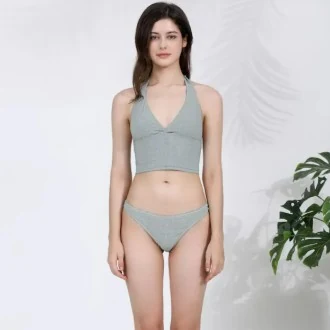
From Fast Fashion Swim to Ocean-Conscious Swimwear
Until recently, fast fashion swimwear has dominated the Australian market, focusing on fast deliveries and cheap prices. However, things have changed. Consumers have started asking questions concerning the origins of the swimsuit in question, its material and working conditions of people manufacturing the item. For this reason, the sustainable swimwear manufacturer who will be able to answer those questions with facts, not with words, turns into a valuable business partner. This expo provides you with such an opportunity due to the chance to touch, examine and wash label the fabric.
2026 Australian Swim Buyer Demands
No longer do buyers just need one sustainable swimsuit. Buyers require longevity, timeless design, and transparency in the fashion swimsuits, diving swimsuits, beachwear, and active wear. Buyers also require less seasonal drops that are easily accessible for purchase and reordering. A factory that specializes in recycled materials, texture, eco-friendly fabrics, and ethical production is more likely able to meet such buyer demands. The booth in which you will be in November will reveal if this holds true.
Fabric, Certification, and Construction: Three Key Criteria to Evaluate
When on the floor, all booths seem impressive. That’s why the criteria for judging the factory as opposed to the middleman come from the details of the product you ask to see.
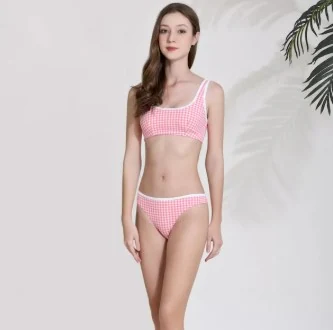
Reading the Fabric Story
Request to view real samples and not just pictures. The recycled nylon, regenerative yarns and textured eco-swim materials should be of good weight, have adequate stretch qualities, and must have a clear composition label. A real fabric supplier will offer you hand feeling samples, cut cards, and even some examples of how the material has been finished at the seams without any reservations. Take into account the seam allowance, neck finish and movement of the fabric; all these little things can tell you how the samples were sewn at the same line as the final garment will be manufactured.
Certifications that Support Sustainability Claims
It is hard to trust marketing buzzwords like “eco-friendly.” You should see scope certificate of Global Recycled Standard certification; it ensures that the factory meets the requirements to handle and account for the recycled content fabric throughout manufacturing process. Companies with such certifications have experience working with export markets where compliance with regulations is required and can provide transaction certificate for each batch of recycled materials on request from your clients.
Fit and Construction: Stitching, Lining, and Stretch Recovery
Swimwear is all about construction. The fabric should recover well after stretching, the lining should be comfortable even under the salt or chlorine influence, and the stitches should not rub against the skin. Ask your supplier to show you an example of the final product, rather than sample fabric roll, and stretch it lightly to evaluate the recovery properties of the material. The factory that cares as much about quality as about sustainability is what you need.
Private Label, Low MOQ, and Design Services For New Swimwear Collections
While a supplier may appear ideal on paper, the ultimate proof is in the ability to adapt to your brand’s level, whether you’re testing a capsule collection or expanding a winning line.
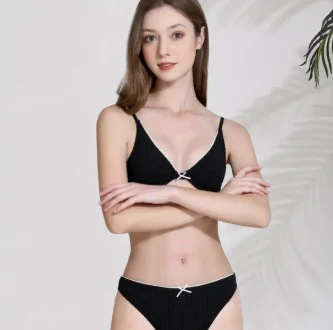
Why You Need a Low MOQ
Whether you’re a fresh label or an experienced retailer, a low MOQ will come in handy. If you have a low minimum order, you can experiment with a new design without getting stuck with thousands of unsellable swimsuits. This way, you’ll be able to avoid additional warehousing fees while Australian retailers are carefully watching their storage expenses. Remember to ask the factory about the floor minimum order for a private label order.
Swimwear Design, Pattern Making and Custom Swimwear Production
Most swimwear manufacturers do not have their own product development department. By choosing a factory that will allow you to discuss design, pattern making and technical drawings, you get an extension of your design studio. Show a sketch, photo or mood board, and the right factory will produce samples for you, incorporating different textures and finishes in order to make your collection truly unique. This approach saves a lot of time on development and eliminates the need to deal with separate pattern makers and sample rooms.
Categories You Should Look For: Swimwear, Diving Gear, Beachwear, Activewear
Once all the right questions have been answered, it’s time to consider which categories the supplier produces and how they fit your collection concept.
Fashion Swimwear & Beachwear for Resorts
Bikinis, one-piece swimsuits and fashion beachwear make up the core range of many Australian fashion swimwear ranges. Seek out recycled materials, durable sewing and linings which remain comfortable even after prolonged salt water exposure. A manufacturing facility where durability is viewed as an essential feature, not a secondary consideration, will make swimwear garments which customers keep for years rather than replacing every year.
Diving Swimwear and Performance Active Wear
In diving swimwear and active wear, properties such as four way stretch, fast drying and UPF ratings are just as important as sustainable options. Inquire about four way stretch materials and recycled performance materials which remain comfortable all day long in or out of the water. The best suppliers will be able to show you fully made up garments rather than rolls of fabric material.
Conclusion
Global Sourcing Expo Australia in Melbourne is more than just a trade show – it is an intensive supply chain where a simple three-day visit may save weeks spent on e-mails. Concentrating on fabric samples, authentic certifications of recycled content, flexible MOQs, and internal design services, buyers will be able to distinguish true manufacturers from re-sellers and create an environmentally conscious swimwear collection. No matter whether you are designing a mini-collection or developing an already existing one, you should focus on suppliers who are ready to answer any questions and provide all necessary documents with no delay. For Australian fashion labels willing to develop a sustainable 2026 summer swimwear season, the Melbourne Convention Centre is where your future swimwear collection starts, and the manufacturing partner such asSustainable Swimwear & Eco-Friendly Bikinis | EcoChic Swim will be by your side starting from fabric samples to packed boxes.
FAQ
When and where will there be a Global Sourcing Expo Australia?
This exhibition takes place from 17 to 19 November, in Melbourne Convention and Exhibition Centre, Australia. The admission fee for attending is free, but buyers can book meetings with exhibiting companies prior to the event itself.
What kind of documents will I need for a meeting with a swimsuit supplier?
Take along a design brief: images or sketches you like, price range that you require, sizes required, first order quantity and the profit margin expected.
Will the factory help me start a new private label swimwear line?
Certainly! Many factories nowadays give you a minimum order that’s really low so that you can experiment with the shape of the garment before making large orders.
Which sustainability certification should I enquire about?
Enquire about Global Recycled Standard scope certification as well as transaction certificates of recycled batches. Ask about ethical manufacturing and in-house quality checks too.
What is the time taken for developing private label swimwear?
It takes several weeks from approval of designs till creation of samples including time for corrections before mass production. Approval of designs will help create reorders much faster.